- Info@cleaningtime.co.uk
- Mon - Fri: 8:00 - 18:00
- YouTube

If you have a problem with your leather suite we can help you. We are your local experts when it comes to cleaning and restoring your leather furniture-upholstery-sofas etc.
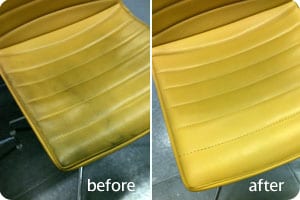
Cleaning Time provides Leather Furniture Cleaning services throughout Corby. This is a safe, no mess – no fuss service where a leather suite cleaner is applied to remove all traces of dirt and soiling from the surface of the hide. This process takes some time, as it is completed by hand and restored to as close to as-new condition as possible.

Atmospheric Soils — Consider the dust that builds up on a coffee table or desk over a week. This same dust is being deposited on your leather. Additionally to this dust, you add airborne cooking oils and atmospheric pollution that is present, to some degree, in every home.
Common Soils — These soils include the common dirt tracked in from outside and the garden by adults, kids and pets.
Dyes and Inks — The inks from newsprint in newspapers and from a leaky pen can readily be deposited on leather upholstery. Clothes such as denims can transfer dye onto leather in a process called dye transfer.
Conditioning Your Leather:
You should only condition your leather occasionally. This is because conditioners contain fats and oils that help replenish the suppleness and lubricate the leather. You want a product that will penetrate the strong fibres with in the leather. However be aware of any solutions that contain mineral oils or petroleum. Petroleum by-products will cause damage to your leather immediately, they do over cause damage over a joint period of time. Just as with cleaning, keep a look out for greasy, thick conditioning treatments for the best possible care.
Polishing Your Leather:
Leather polishing is done usually on special occasions, such as when you want more of a glossy finish on your furniture. A couple of things to be aware of when buying your polishing treatment are that some products have a tendency to dry the leather out or clog the pores. Also certain products contain colouring factors that will fade off colour and things you come into contact with. The same as cleaning, be sure to test out the polish on a small area and when ready, buff to a lovely shine.
Protecting Your Leather:
It is extremely important to have a good moisture barrier on your leather. This is to prevent liquid spills damaging your leather furniture. Spouting and stiffness of the leather will occur if the leather has not been protected. However there is a drawback to having a moisture barrier product on your leather. This drawback is the barrier then tends to fill in the pores with a grease. This then makes the cleaning, conditioning and polishing a difficult job. Even so it is a necessary process to ensure that your leather does not get destroyed. It is best to apply the product several times and allow time for it to penetrate into the pores before using your furniture.
Removal Of Mildew On Your Leather:
Create a mixture of one cup rubbing alcohol to one cup of water. This solution will remove mildew from your leather item. Wipe down the area with mildew using a damp cloth that has been dipped into your diluted alcohol solution. Then allow some time for it to dry. If this does not remove the mildew, use a mild soap (that contains germicide) and water, then remove with a clean and damp cloth and allow to dry for a short period of time.
Wetting Your Leather:
Another important key to keeping leather in top condition is to treat wet leather before it has any chance of drying out. To do this, first clean the leather to remove any stains, mud and bacteria with your usual cleaning agent. Then apply your conditioning treatment whilst still wet. This is because the leather pores are still fully responsive, whilst the leather is still wet. It is extremely important when drying your leather to keep it away from heat (such as sun light and radiators). If you’re cleaning a leather garment rather than furniture, it is a wise idea to stuff the garment prior to any treatment. This will make sure the leather retains its shape.
Restoring Your Leather:
Your leather is a natural material. It should NEVER be stored in plastic. This is due to the fact the plastic will encourage the growth of bacteria and mildew. This will completely ruin your leather. If you need to store your leather, it will need a cool, dry place completely away from any form of heat. If the leather in question is a garment rather than furniture, it will need to be stored in a fresh and breathable bag.
Removal Of Leather Stains:
There are different ways to remove different types of stains. If the stain is fresh and made from everyday things such as food or blood, then it is easily cleaned by wiping with a damp cloth. However oil or grease based stains need a different approach. First step is to grind down ordinary blackboard chalk into a powder. Then sprinkle the stained area with the powder. You then need to leave the powder sprinkled on top for at least twenty-four hours. DO NOT RUB THE POWDER. After the 24 hour period, use a dry and clean leather cleaning brush. Brush the leather and remove all the powder. Although fresh stains can be easily treated and cleaned at home. ground-in stains should be treated by a professional cleaner (such as ourselves). They should be professionally trained in leather cleaning.
